
 عنوة أون-بار PhD M.S. OTR
دكتوراه في علوم الطب الطبيعي معالجة ومدربة في البايوفيدباك والنيوروفيدباك معالجة وظيفية ومستشارة تربوية وتأهيلية خبيرة خط معتمدة معتمدة EMDR Level 2
خبيرة في العلاج البيولوجي والعلاج بالتغذية للاضطرابات النمائية، السلوكية والمعرفية. يمكن الحصول على استشارة للتغذية الصحية للوقاية من الأمراض وتحسين جهاز المناعة الطبيعي.
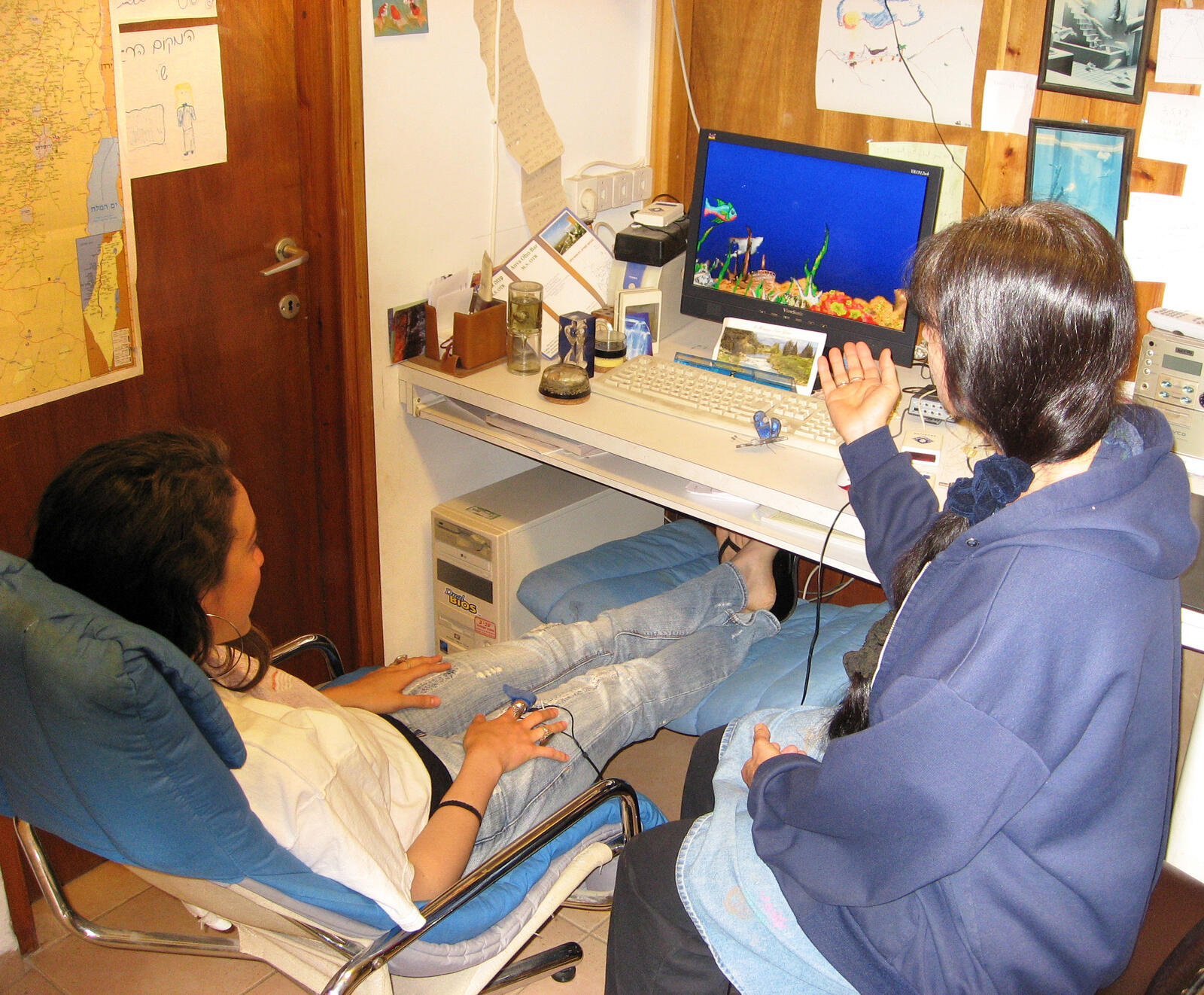
بايوفيدباك Biofeedback – طريقة علاج تعمل على "الوصلة" بين الطب وعلم النفس، الجسد والنفس، وترى فيك شريكًا فعالًا في عمليات التعلم، السيطرة على الأعراض والشفاء من المرض.
من خلال البايوفيدباك، يتعلم الإنسان السيطرة على استجاباته، تقليل القلق، توتر العضلات، الألم المزمن، الصداع والصداع النصفي، ارتفاع ضغط الدم، "المعدة العصبية"، مشاكل النوم ومشاكل نفسجسدية أخرى.
ترتفع القدرة على التركيز والتعلم كلما تعلم الإنسان الاسترخاء والتعامل مع حالات الضغط والتوتر. يتم العلاج بواسطة أجهزة إلكترونية متطورة تمنح معلومات فيزيولوجية لا نكون واعين لها عادة. تُنقل مؤشرات فيزيولوجية، مثل النبض، التعرق (الموصلية الكهربائية لـ الجلد)، درجة الحرارة، توتر العضلات وموجات الدماغ – إلى الإنسان من خلال برامج حاسوب خاصة – وهكذا يتعلم السيطرة على هذه المؤشرات وتنظيم استجاباته العاطفية والجسدية. توجد برامج خاصة للأطفال المصابين بـ ADHD - مشاكل التركيز، الانتباه وفرط الحركة.
EMDR - طريقة خاصة طُورت لعلاج ضحايا الصدمات، لتقليل الضغوط والقلق ولتحقيق تغييرات في الإدراك الذاتي والتفكير. محاضرة TED حول الموضوع فيديو عن العلاج بـEMDR الدمج بين البايوفيدباك و- EMDR في العلاج، يتيح سيطرة سريعة وتخفيفًا كبيرًا في الأعراض.
"In a January 2011 study in the Journal of Anxiety Disorders, for example, some patients with PTSD went through a session of EMDR while others completed all the components of a typical EMDR session but kept their eyes closed rather than moving them. The patients whose session included eye movements reported a more significant reduction in distress than did patients in the control group. Their level of physiological arousal, another common symptom of PTSD, also decreased during the eye movements, as measured by the amount of sweat on their skin. One of the ways EMDR's eye movements are thought to reduce PTSD symptoms is by stripping troubling memories of their vividness and the distress they cause. A study in the May 2012 Behaviour Research and Therapy examined the effectiveness of using beep tones instead of eye movements during EMDR. The researchers found that eye movements outperformed tones in reducing the vividness and emotional intensity of memories. Those studies relied on self-reports of symptom severity, however, so researchers at Utrecht University in the Netherlands sought more objective confirmation of a change in vividness by also measuring participants' reaction times to fragments of a previously viewed picture. The work, published online in July 2012 in Cognition and Emotion, compared two groups of participants who had committed one detailed picture to memory. When asked to recall the picture and focus on it mentally, one group was instructed to perform eye movements. That group had slower reaction times to the familiar picture fragments in a subsequent memory test, and subjects reported that the vividness of the recalled pictures had decreased. These studies and others from the past several years have helped validate EMDR—so much so that the American Psychiatric Association, the International Society for Traumatic Stress Studies, and the Departments of Defense and of Veterans Affairs have deemed it an effective therapy."
BSP و-EFT - طرق خاصة لعلاج الصدمات، حالات القلق والتفكير السلبي - Emotional Freedom Technique & Brain Spotting.
أنتم مدعوون للحضور والتجربة – بسعر تعارف خاص – في تجربة مدتها ساعة ستعرض أمامكم الإمكانيات وتساهم في تحسين شعوركم.
يجب التنسيق مسبقًا للعلاج في العيادة: 04-6989803